





THINKING ABOUT BUPE? START WITH A CALL OR TEXT.
WA TELEBUPE HOTLINE (206) 289-0287

9 am to 9 pm, 7 days a week
What is the
WA Telebupe Hotline?
The WA Telebupe hotline helps people in Washington who use opioids figure out if bupe, a medication for opioid use disorder, is right for them quickly by phone. This includes anyone 13 years old or older and those who are pregnant.
What happens when I call the
WA Telebupe Hotline?
-
Step 1
Intake
Call or text the hotline and speak with a coordinator.
- Share basic information: your name, birth date, preferred pharmacy location, and a few details about your opioid use and current situation.
- All information is confidential and fully HIPAA-protected.
-
Step 2
TALK WITH A PROVIDER
Stay on the line or request a call back from a provider within an hour.
- You’ll then talk to the provider for free, either by phone or on video.
- All providers are experienced WA emergency physicians trained in opioid care and compassionate treatment.
- The provider will ask you additional questions to determine if bupe treatment is right for you.
-
Step 3
Get a prescription
If appropriate, the provider will send a bupe prescription to your preferred pharmacy.
- They may also prescribe medication to help with withdrawal symptoms.
- Most patients can pick up and pay for their prescription the same day.
- You’ll need proof of identity to pick it up.
-
Step 4
I've got my bupe prescription, now what?
After the visit, you’ll receive follow-up information by text.
- Within 3 days, a WA Telebupe linkage-to-care coordinator will reach out to connect you with ongoing treatment and recovery supports.
- They’ll also help you find other local services for your health and wellbeing, including food, transportation, language, insurance, and other personal needs.
“I think it was the hotline… I really do still believe that if I wasn’t able to get something that would help with the cravings or just keep me from withdrawing, I very much believe I would’ve relapsed.”
– WA Telebupe Hotline Patient
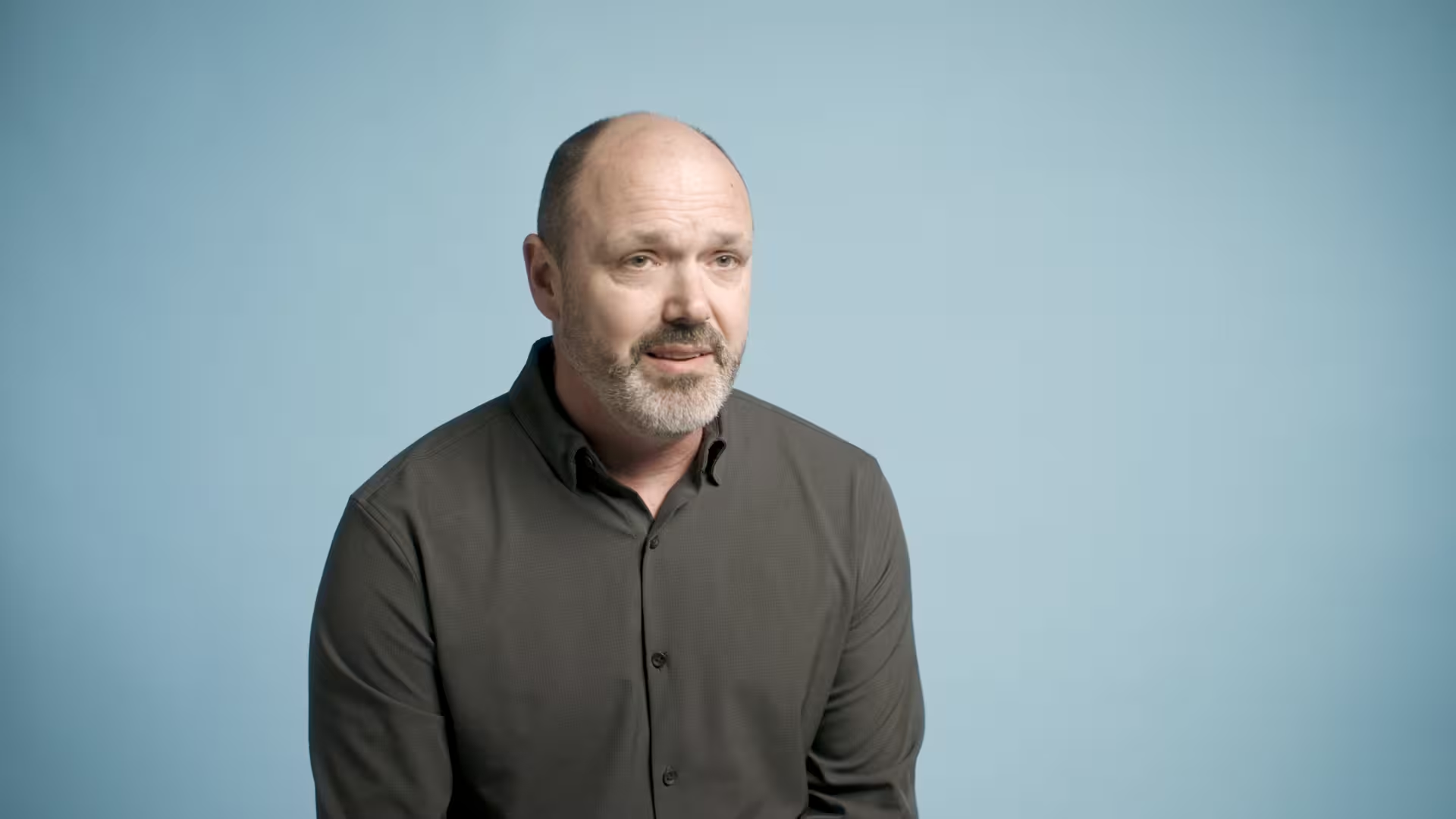
"About WA Telebupe Hotline”
What to know
Call or text
You can call or text the hotline at (206) 289-0287 any day of the year from 9a-9p. After hours, you can leave a voicemail requesting a callback the next day, or you can be routed to the Washington Recovery Helpline.
If you text, you’ll receive an auto reply at first, and if it’s during hotline hours, a coordinator will text back and set up a time to talk.
Interpretation Available
For support in languages other than English, you will be connected to the UW Medicine interpreter service, which supports 250+ languages.
“I’m sure … you could hear the relief in my voice because I was in tears. I was so happy that I actually was able to get something done about it, it felt like somebody actually cared”
– WA Telebupe Hotline Patient


What do I need when I call?
- A phone number where the provider can call you (and for follow-up support).
- Time to talk and a private space you feel comfortable speaking to a provider for about 30 minutes.
- What you don’t need: payment information – the telehealth visit is free!

Is the hotline confidential?
- Yes, the hotline strictly follows all the HIPAA protocols that protect patient medical records and health information.
- Patients also agree to the privacy rights and responsibilities of being a UW Medicine patient.

“Connecting Bupe Patients to Ongoing Care”
What happens after the Prescription
A WA Telebupe linkage-to-care coordinator…
…will follow up with you to help with ongoing care that is local to you. This can include finding a primary care provider who will help you manage your bupe treatment and other needs for your health and wellbeing.
People don’t start or keep using substances for just one reason. It’s often a mix of things like stress, mental health, money struggles, or life circumstances outside of the person’s control.
The linkage-to-care team understands that, and their goal is to support the whole person, not just one piece of the puzzle. They can help someone get started on medications like bupe, and just as importantly, get connected to care over time.
Beyond that, we can help with things like:
- Finding behavioral health or primary care
- Getting sexual health services
- Signing up for insurance (or getting coverage started)
Aside from medical services we can also provide connections to help to meet everyday needs like:
- Access to food and clothing
- Transportation services
- Family support resources